Interior Design Quiz Questions: Test Your Style Knowledge
Interior Design Quiz Questions: Test Your Style Knowledge
Readers, have you ever found yourself browsing through design magazines or scrolling through Pinterest, mesmerized by stunning interiors? Do you dream of creating a space that reflects your unique style and personality? Well, step into the world of interior design and put your knowledge to the test with a captivating quiz! We've compiled a series of challenging questions that delve into the essence of design, from timeless classics to contemporary trends.
Think you have what it takes to ace this interior design quiz? We’ve gathered some intriguing questions and insightful answers to help you gain a deeper understanding of design concepts and principles. Whether you're an aspiring decorator or simply curious about the world of interiors, get ready to test your style knowledge and unleash your inner design aficionado.
Understanding Interior Design Basics
Before we dive into the world of interior design quiz questions, it's crucial to grasp some fundamental concepts. These basics will provide you with a solid foundation for understanding the principles that guide design choices.
What is Interior Design?
Interior design is an art and science that involves creating functional and aesthetically pleasing spaces within buildings. It encompasses various elements, such as color palettes, furniture selection, lighting, and materials, all combined to enhance the overall ambiance and functionality of a room.
Essential Design Elements
Several key elements contribute to a successful interior design project. These include:
- Color: Color plays a vital role in setting the mood and atmosphere of a space. Warm colors, like reds and oranges, evoke feelings of energy and excitement, while cool colors, such as blues and greens, create a sense of tranquility and relaxation.
- Texture: Texture refers to the surface quality of materials used in a space. It can add depth, dimension, and visual interest, making a room feel more inviting. Think of the contrast between smooth silk drapes and rough-hewn wooden beams.
- Light: Lighting is essential for creating a functional and aesthetically pleasing space. Natural light can brighten a room and enhance its beauty, while artificial lighting can create different moods and highlight specific features.
- Form: Form refers to the shape and outline of objects within a space. It plays a crucial role in creating visual balance and harmony. Consider the interplay between geometric shapes and organic forms.
- Scale and Proportion: Scale and proportion refer to the size and relationship of objects within a space. A well-designed room will have furniture and elements that are appropriately scaled to the room's size and create a sense of balance.
Key Interior Design Principles
Beyond the essential elements, interior design adheres to certain guiding principles that enhance the overall design process. These principles include:
- Balance: Balance refers to the visual weight distribution within a room. Symmetrical balance creates a sense of order and formality, while asymmetrical balance offers a more dynamic and informal feel.
- Harmony: Harmony refers to the pleasing combination of elements within a space. It's about creating a cohesive and unified look that feels aesthetically pleasing. Consider how different colors, textures, and forms work together.
- Rhythm: Rhythm refers to the repetition and variation of elements within a space. This repetition can create a sense of movement and visual interest. It can be achieved through the use of patterns, colors, or furniture placement.
- Emphasis: Emphasis is about creating a focal point within a room. It draws the eye to a specific element and adds visual interest to the space. This can be done through the use of color, texture, or unique furniture pieces.
- Unity: Unity refers to the sense of oneness or wholeness within a space. It's about creating a cohesive look that feels complete and balanced. Consider how different elements work together to contribute to the overall design.
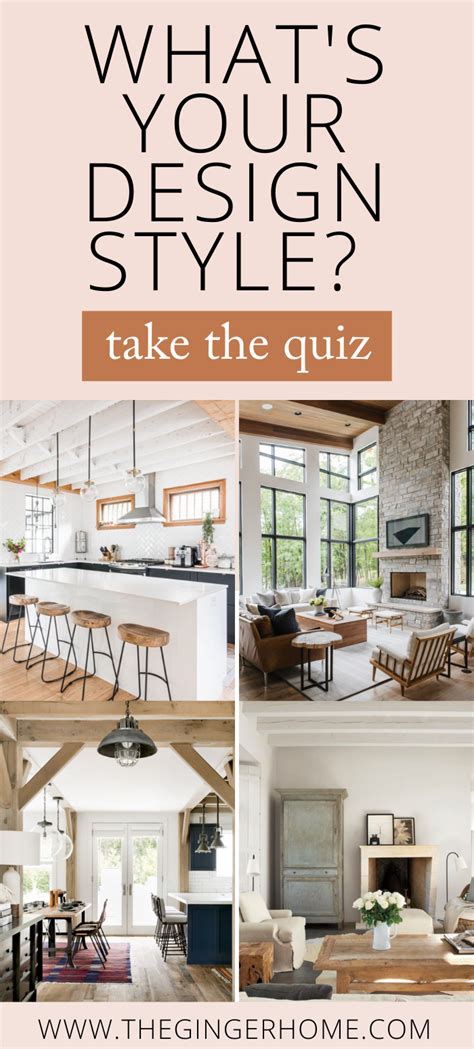
Now that you have a basic understanding of interior design principles, let's dive into the fun part – the quiz! Are you ready to test your knowledge of different interior design styles? These questions will explore various aesthetics and help you identify your own design preferences.
Classic vs. Contemporary: Which Style Speaks to You?
The world of interior design encompasses a wide range of styles, each with its unique characteristics and appeal. Classic and contemporary styles are two prominent examples, each offering a distinct aesthetic and embodying different design philosophies.
Classic Interior Design
Classic interior design evokes a sense of timelessness, elegance, and sophistication. It prioritizes timeless pieces, luxurious materials, and a refined color palette. Classic interiors often feature:
- Neutral Color Palettes: Creams, whites, greys, and soft blues are common choices, creating a serene and sophisticated backdrop.
- Traditional Furniture: Elegant sofas with intricate carvings, antique chairs with plush upholstery, and statement pieces that stand the test of time.
- Luxurious Fabrics: Velvet, silk, and linen are frequently used for upholstery and drapery, adding a touch of opulence and texture.
- Ornamental Details: Classic interiors often incorporate intricate molding, elegant chandeliers, and decorative accents like sculptures and vases, adding a touch of grandeur.
- Statement Artwork: Paintings, sculptures, and antique mirrors enhance the elegance and sophistication of a classic space.
Contemporary Interior Design
Contemporary interior design embraces modern aesthetics, clean lines, and a minimalist approach. It prioritizes function, simplicity, and a sense of openness. Contemporary interiors often feature:
- Bold Color Palettes: Contemporary design welcomes vibrant colors, often used as statement accents against a neutral backdrop. Think pops of emerald green, deep blue, or fiery orange.
- Sleek and Functional Furniture: Sofas with low profiles, chairs with simple lines, and furniture pieces that serve both aesthetic and practical purposes.
- Minimalist Decor: Contemporary design often features minimal ornamentation, allowing the architectural elements and furniture to take center stage.
- Open Floor Plans: Contemporary homes often feature open floor plans that maximize space and create a sense of flow.
- Natural Materials: Wood, stone, and metal are frequently incorporated, adding a sense of warmth and authenticity.
Now that you have an overview of classic and contemporary styles, let's test your knowledge with a few sample questions:
Question 1: Which of the following is NOT a characteristic of classic interior design?
a) Neutral color palettes
b) Bold geometric patterns
c) Traditional furniture
d) Luxurious fabrics
Answer: b) Bold geometric patterns. While classic design embraces patterns, bold geometric patterns are more characteristic of contemporary styles.
Question 2: What is a key feature of contemporary interior design?
a) Ornamental details
b) Minimalist decor
c) Antique furniture
d) Intricate molding
Answer: b) Minimalist decor. Contemporary design prioritizes simplicity and function, often featuring minimal ornamentation, allowing the architecture and furniture to shine.
Exploring Other Interior Design Styles
Interior design encompasses a vast array of styles, each with its distinct characteristics and appealing to different tastes. Explore a few more popular styles and discover which ones resonate with you.
Mid-Century Modern
Mid-century modern style, popularized in the mid-20th century, emphasizes clean lines, geometric shapes, and a focus on functionality. It's characterized by:
- Organic Shapes: Curved sofas, chairs with rounded backs, and furniture with flowing lines.
- Warm Color Palettes: Earthy tones, muted greens, and warm browns often feature heavily.
- Natural Materials: Wood, leather, and wool are popular choices for furniture, adding warmth and texture.
- Statement Pieces: Iconic furniture designs like the Eames Lounge Chair and the Saarinen Tulip Table are hallmarks of this style.
Industrial Chic
Industrial chic style embraces raw materials, exposed elements, and a touch of urban grit. It's characterized by:
- Exposed Brick Walls: Authentic brick walls add a sense of history and ruggedness to the space.
- Metal Accents: Steel beams, exposed pipes, and metal furniture pieces create a modern industrial feel.
- Reclaimed Wood: Rustic wooden beams, salvaged doors, and reclaimed furniture add warmth and character to the space.
- Industrial Lighting: Exposed bulbs, pendant lights with metal cages, and vintage lighting fixtures add a unique touch.
Scandinavian
Scandinavian design is known for its minimalist aesthetic, functionality, and a focus on natural materials. It's characterized by:
- Light and Airy Spaces: Scandinavian design often embraces natural light, creating a sense of spaciousness and airiness.
- Neutral Color Palette: Whites, greys, and natural wood tones are common choices, creating a serene ambiance.
- Simple Furniture: Functional furniture with clean lines and simple designs, often made from natural materials.
- Natural Elements: Plants, sheepskin rugs, and wooden accents add warmth and texture to the space.
Bohemian
Bohemian design embraces a eclectic mix of styles, textures, and patterns. It's known for its free-spirited, layered, and artistic approach. It's characterized by:
- Intricate Patterns: Bold and colorful patterns, including floral prints, paisley designs, and geometric motifs.
- Global Influences: Bohemian design often incorporates elements from different cultures, such as Moroccan rugs, Indian textiles, and Asian art.
- Warm and Cozy Atmosphere: Bohemian spaces are often inviting and cozy, with layers of fabrics, throws, and pillows.
- Statement Lighting: Unique pendant lights, chandeliers, and lanterns add a touch of drama and personality.
Modern Farmhouse
Modern farmhouse style blends rustic charm with contemporary design elements. It's characterized by:
- Neutral Color Palette: Whites, greys, and natural wood tones create a clean and airy backdrop.
- Wood and Stone Elements: Reclaimed wood beams, exposed stone fireplaces, and wooden floors add warmth and rustic charm.
- Simple Furniture: Farmhouse-inspired furniture with distressed finishes and clean lines.
- Natural Textiles: Linen, cotton, and wool add texture and warmth to the space.
Interior Design Quiz: Putting Your Knowledge to the Test
Now, are you ready to test your knowledge of different interior design styles? Here are some questions to help you assess your understanding of the various aesthetics discussed:
Question 1: Which interior design style is known for its bold and colorful patterns?
a) Industrial chic
b) Scandinavian
c) Bohemian
d) Modern Farmhouse
Answer: c) Bohemian. Bohemian design embraces an eclectic mix of patterns, including vibrant and colorful ones, showcasing a free-spirited aesthetic.
Question 2: Which style emphasizes raw materials and exposed elements, creating a touch of urban grit?
a) Mid-century modern
b) Industrial chic
c) Scandinavian
d) Modern Farmhouse
Answer: b) Industrial chic. Industrial chic style embraces raw materials, exposed elements, and a touch of urban grit, creating a unique and edgy aesthetic.
Question 3: What is a key characteristic of Scandinavian design?
a) Minimalist decor
b) Ornamental details
c) Bold color palettes
d) Intricate patterns
Answer: a) Minimalist decor. Scandinavian design prioritizes functionality and simplicity, often featuring minimalist decor and a clean aesthetic.
Interior Design Quiz: Answers and Insights
We hope you enjoyed testing your interior design knowledge with these quiz questions. By exploring different styles and understanding their key characteristics, you can better define your design preferences and create a space that truly reflects your personal style.
FAQ: Interior Design Quiz Questions
What are some common mistakes to avoid when designing a space?
Common mistakes in interior design include neglecting scale and proportion, ignoring the flow of traffic, and overlooking the impact of lighting. It’s also essential to consider the overall functionality of the space and ensure that it meets your needs.
How do I choose an interior design style that suits me?
To choose an interior design style that suits you, consider your personal preferences, lifestyle, and the overall feel you wish to create. Explore different styles and identify those that resonate with you. You can also draw inspiration from magazines, websites, and by visiting showrooms to gain a better understanding of various design aesthetics.
Where can I find resources to learn more about interior design?
There are many resources available to learn more about interior design. Books, magazines, websites, and online courses are excellent sources of information. You can also explore design blogs, social media platforms, and design communities to connect with other design enthusiasts and gain valuable insights.
Conclusion
So, how did you do on our interior design quiz? We hope you enjoyed testing your knowledge and gained some valuable insights into different design styles and their characteristics. Whether you're a design aficionado or simply looking to enhance your home decor, we encourage you to explore further and discover the joy of creating spaces that reflect your unique style and personality.
If you're looking for more inspiration and tips on interior design, be sure to check out our other articles on [link to your website]. We have a wealth of resources to help you transform your living space into a beautiful and functional haven.


