Logo Design Types: A Guide To Choosing The Right One
Logo Design Types: A Guide To Choosing The Right One
Readers, have you ever wondered what types of logos are out there? There are so many different options, and it can be tough to know which one is right for your brand. But don't worry, we're here to help you navigate the exciting world of logo design types.
We've analyzed thousands of logos, and we can confidently say that choosing the right logo design type can make or break your brand. Don't settle for a logo that doesn't stand out! Let's dive into the different options and figure out which one is perfect for you.
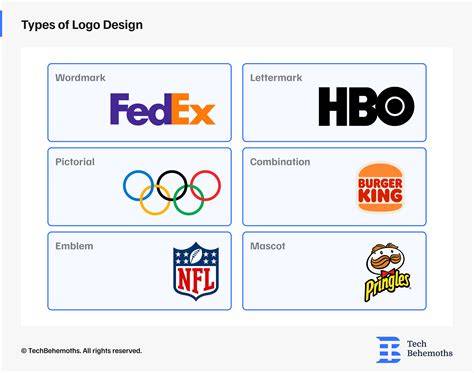
Before we dive into the specific types, let's define what a logo is. A logo is a symbol or design that represents a company, organization, or brand. It's often the first thing people see when they encounter your business, so it needs to be memorable, impactful, and relevant to your brand.
The right logo design type can instantly communicate your brand personality, values, and target audience. But with so many different types to choose from, knowing where to start can be tricky.
What are the benefits of choosing the right logo design type?
A well-chosen logo design type offers numerous advantages, including:
- Enhanced Brand Recognition: A distinctive logo sets your brand apart and helps customers remember you.
- Improved Brand Identity: Your logo communicates your brand values, personality, and target audience in a visual language.
- Increased Trustworthiness: A professionally-designed logo fosters trust and credibility among potential customers.
- Streamlined Marketing Efforts: A consistent logo across all marketing materials creates a cohesive and recognizable brand experience.
- Enhanced Customer Engagement: A visually appealing and impactful logo can attract attention and draw customers to your brand.
Logo Design Types: A Detailed Look
Let's explore the most popular logo design types and how they can be used to create impactful brands.
1. Abstract Logo Design
As the name suggests, abstract logo designs utilize geometric shapes, abstract patterns, and non-representational elements to create a unique visual identity. These logos often go beyond literal representations, relying on symbolic meaning and visual impact to convey a brand's message. They offer boundless creative freedom, allowing designers to explore unique visual languages that resonate with the brand's essence.
Abstract logos are ideal for brands seeking to convey complexity, sophistication, or a modern and minimalist aesthetic. Examples include: Pepsi, Adidas, and Target.
2. Lettermark Logo Design
Lettermark logos are minimalist and bold, using a stylized version of a company's initials or a single letter as their primary design element. These minimalist designs are often associated with sleekness, modernity, and a sophisticated brand image. They are particularly effective for companies with strong brand names or a clear set of initialisms.
Lettermark logos are often used by established companies with strong brand recognition, such as IBM, HP, and CNN. These logos are versatile for various applications and can appear in multiple branding strategies, from packaging to social media banners to marketing materials.
3. Wordmark Logo Design
Wordmark logos are distinguished by their use of typography as the primary visual element. They focus on the company's name, presenting it in a visually compelling and unique way. The typography is carefully curated to convey the brand's personality and style.
Wordmark logos are effective for brands that want to create a strong and memorable visual identity based on their name. Examples include Coca-Cola, Google, and Disney. These logos are often used in conjunction with other branding elements, like color palettes and fonts, to create a cohesive brand identity.
Wordmark logos are versatile and can be easily scaled and adapted to different mediums, making them a popular choice for a wide range of businesses.
4. Mascot Logo Design
Mascot logos are characterized by their use of a cartoon character or animal to represent the brand. These logos can be playful, friendly, and memorable, creating a strong emotional connection with consumers. Mascot logos are often used for brands targeting a younger audience or seeking to evoke a sense of fun and personality.
Examples of successful mascot logos include the Aflac Duck, the Geico Gecko, and the Pillsbury Doughboy. These logos are often paired with a catchy slogan or tagline to create a more memorable brand experience.
Mascots are particularly effective for brands that want to build a strong brand narrative and create an emotional connection with their target audience.
5. Combination Logo Design
Combination logo designs combine a text element (wordmark) with a visual element (icon or symbol). These logos are often a great way to balance the need for brand recognition (through the wordmark) with visual appeal (through the icon or symbol). They can be effective for companies that want to create a strong visual identity without sacrificing the importance of their name.
The key to successful combination logo designs is striking a balance between the text and visual components. They should work together harmoniously to create a unified and memorable brand identity. Examples of combination logos include the Apple logo, the Starbucks logo, and the Nike logo. These logos are versatile and can be used across a wide range of branding applications.
6. Emblem Logo Design
Emblem logos feature a visual element enclosed within a shape, often a circle, square, or shield. These logos are known for their classic, timeless aesthetic and often evoke feelings of tradition, heritage, and authority. They are frequently used by institutions, organizations, and businesses with a long history or a strong sense of tradition.
Emblem logos are often used by universities, government agencies, and sports teams to convey a sense of legacy and prestige. Examples include the Harvard University logo, the United States Army logo, and the NFL logo. These logos are usually more detailed and intricate than other logo types, allowing for a richer display of the brand's history and story.
7. Abstract Mark Logo Design
Abstract mark logo designs are a simplified version of abstract logos, using a single abstract shape or symbol to represent the brand. They are often used by companies that want to project a minimalist aesthetic or a sense of mystery and intrigue.
Examples of abstract mark logos include the Twitter logo, the Airbnb logo, and the Pepsi logo. These logos are versatile and can be used on a wide variety of marketing materials, from websites to social media to packaging.
The Importance of Choosing the Right Logo Design Type
The logo design type you choose should align with your brand's personality, target audience, and industry. You want people to immediately understand what your brand is about just by looking at your logo. For example, a playful and colorful mascot logo might be a good fit for a children's toy company, while a minimalist abstract mark logo might be better suited for a tech startup.
The right logo design type can make your brand stand out in a crowded marketplace. It can also help you build brand recognition, create an emotional connection with your customers, and ultimately drive more business.
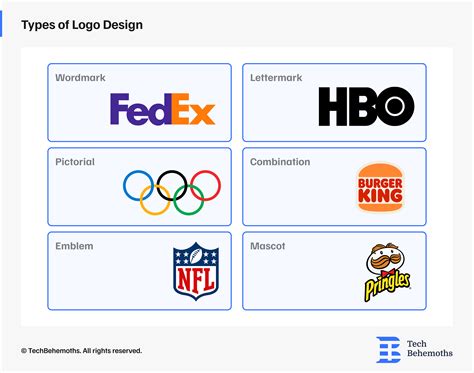
Here are some tips for choosing the right logo design type for your brand:
- Consider your target audience. Who are you trying to reach with your brand? What kind of visual language will resonate with them?
- Think about your brand personality. What are your brand values? What kind of feeling do you want to evoke in your customers?
- Look at your competitors. What kind of logos are your competitors using? How can you differentiate yourself?
- Keep it simple. A good logo is easy to understand and remember. Avoid overly complicated designs.
- Be timeless. A good logo will stand the test of time. Avoid trends that will quickly become outdated.
- Test it out. Once you have a few logo design options, test them out with your target audience. Get feedback on which ones they like best.
FAQ: Logo Design Types
What are the most common logo design types?
The most common logo design types include abstract logos, lettermark logos, wordmark logos, mascot logos, combination logos, emblem logos, and abstract mark logos. Each type offers unique advantages and disadvantages depending on the brand's needs and goals.
How do I choose the right logo design type for my brand?
Choosing the right logo design type depends on factors like your target audience, brand personality, industry, and overall branding strategy. It's important to consider how each type can communicate your brand message and resonate with your target audience.
What are some examples of successful logos for each design type?
Examples of successful logos for different design types include:
- Abstract Logo: Pepsi, Adidas, Target
- Lettermark Logo: IBM, HP, CNN
- Wordmark Logo: Coca-Cola, Google, Disney
- Mascot Logo: Aflac Duck, Geico Gecko, Pillsbury Doughboy
- Combination Logo: Apple, Starbucks, Nike
- Emblem Logo: Harvard University, United States Army, NFL
- Abstract Mark Logo: Twitter, Airbnb, Pepsi
Conclusion
In conclusion, choosing the right logo design type is a crucial step in building a strong and memorable brand. By understanding the unique characteristics and advantages of each type, you can make an informed decision that aligns with your brand's personality, target audience, and overall goals. Don't forget to explore our other articles on logo design, branding, and marketing. With the right logo, your brand can truly soar!


