Uncover the Hidden Meaning in Your Logo
Uncover the Hidden Meaning in Your Logo
Readers, have you ever stopped to think about the deeper meaning behind your company's logo? It's more than just a pretty picture; it's a powerful symbol that can communicate your brand identity, values, and mission to the world. A well-designed logo can instantly capture attention, evoke emotions, and create a lasting impression on your target audience. But have you ever delved deeper into the hidden messages embedded within your logo's design?
Uncovering the hidden meaning in your logo is like unlocking a treasure chest of insights. By analyzing every element – from the colors and fonts to the shapes and symbols – you can gain a profound understanding of your brand's story, its core values, and its unique personality. As an experienced SEO content creator who has delved into the world of logo design analysis, I'm here to guide you through the process of uncovering the hidden meaning in your logo and exploring the psychological impact it has on your audience.
The Power of Visual Communication: How Your Logo Speaks Volumes
In the bustling digital landscape, a captivating logo can be your brand's most valuable asset. It's the first visual touchpoint that connects you with your audience. When done right, a compelling logo can convey a brand's personality, values, and essence in a single glance. Whether it's a bold and modern design or a classic and timeless aesthetic, your logo becomes a powerful visual shorthand for your brand identity.
Think about some of the most iconic logos in the world. Apple's bitten apple, Nike's swoosh, and Amazon's arrow – these logos are instantly recognizable and evoke strong emotions associated with their respective brands. These designs have become synonymous with their companies, and they have transcended language barriers to resonate with audiences around the globe.
But what exactly makes these logos so effective? The answer lies in their ability to communicate meaning beyond words. A well-crafted logo is a visual language that speaks to your audience on a subconscious level, influencing their perceptions and creating a strong emotional connection.
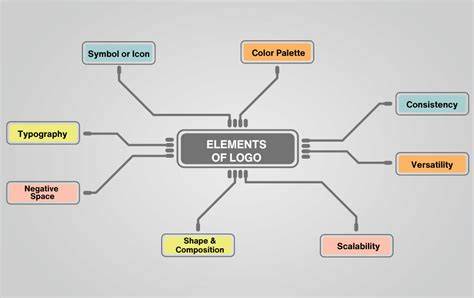
To understand the hidden meaning behind your logo, you need to dissect it into its individual components. Each element – from the colors and fonts to the shapes and symbols – carries a specific message that contributes to the overall narrative of your brand. Let's explore these elements in detail.
Colors: The Emotional Palette of Your Brand
Colors are powerful tools in visual communication. They evoke specific emotions and associations, and they can convey your brand's personality, values, and tone. A vibrant red logo might symbolize passion and energy, while a calming blue logo could suggest trustworthiness and stability. For example, the color red is often associated with excitement, passion, and energy. This is why many brands in the food and beverage industry, such as Coca-Cola and McDonald's, use red in their logos.
Green, on the other hand, is often associated with nature, growth, and harmony. It's a popular choice for brands in the environmental and health and wellness industries. Understanding the emotional impact of different colors is crucial when choosing a color palette for your logo.
Fonts: The Voice of Your Brand
Fonts play a critical role in shaping a logo's aesthetics and conveying its message. Each font has a unique personality and style, and it can evoke different emotions and associations. A bold and heavy font might suggest strength and authority, while a delicate script font can convey elegance and sophistication.
When choosing a font for your logo, consider your brand's personality and the message you want to communicate. For example, a tech company might opt for a modern and minimalist font, while a fashion brand might choose a more playful and elegant script font.
Shapes and Symbols: The Visual Language of Your Brand
Shapes and symbols are powerful visual elements that can communicate complex ideas and emotions. A circle can represent unity, completeness, and infinity. A square, on the other hand, can symbolize stability, structure, and security. A triangle can convey strength, power, and ambition.
Symbols can also have a profound impact on the meaning of a logo. For example, a dove often represents peace and hope, while a lion symbolizes strength and courage. When used effectively, shapes and symbols can add depth and meaning to your logo, making it more memorable and impactful.

The beauty of logo design lies in its ability to tap into the subconscious mind of your audience. The colors, fonts, shapes, and symbols you choose are not just mere aesthetic choices; they are powerful psychological triggers that evoke emotions and influence perceptions. To truly understand the hidden meaning in your logo, you need to explore the psychological impact of its design elements.
Color Psychology: The Emotional Language of Colors
Color psychology is the study of how colors influence human behavior and emotions. Colors can trigger a range of emotions, from happiness and calmness to anger and sadness. For example, the color blue is often associated with calmness, trustworthiness, and security. This is why many financial institutions and healthcare organizations use blue in their logos.
Understanding the emotional connotations of different colors is essential when designing your logo. Choose colors that align with your brand's values and the emotions you want to evoke in your audience.
Font Psychology: The Voice of Your Brand
Fonts, like colors, have a profound impact on how people perceive a message. Certain fonts evoke specific emotions and associations. For example, a bold and sans-serif font suggests strength, authority, and modernity, while a cursive font conveys elegance, sophistication, and tradition.
When choosing a font for your logo, consider the message you want to convey. A tech company might opt for a bold and modern font, while a fashion brand might choose a more delicate and elegant script font.
Shape Psychology: The Visual Language of Your Brand
Shapes, like colors and fonts, have a subconscious impact on how people perceive a message. Circles, squares, and triangles are some of the most common shapes used in logo design. Each shape has its own unique psychology and can evoke different emotions and associations.
Circles are often associated with unity, completeness, and infinity. They can represent harmony, balance, and togetherness. Squares, on the other hand, are often associated with stability, structure, and security. They can convey a sense of order, reliability, and trustworthiness. Triangles convey strength, power, and ambition. They can symbolize leadership, direction, and progress.
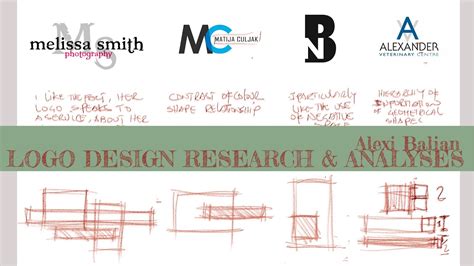
Now that you have a foundational understanding of color psychology, font psychology, and shape psychology, it's time to delve deeper into the hidden meaning behind your own logo. Follow this step-by-step guide to uncover the secrets embedded within your brand's visual identity.
1. Analyze the Colors
Begin by examining the colors used in your logo. What are the primary and secondary colors? What emotions do these colors evoke? For example, if your logo is predominantly blue, it might convey a sense of trust, stability, and security. If it's predominantly red, it might suggest passion, energy, and excitement.
2. Examine the Fonts
Next, take a closer look at the font used in your logo. What is the font style – serif, sans-serif, script, or display? Does it have a bold, light, or regular weight? What message does the font convey? For example, a bold, sans-serif font might suggest strength, authority, and modernity, while a delicate script font conveys elegance and sophistication.
3. Decipher the Shapes and Symbols
Now focus on the shapes and symbols used in your logo. Do you see any circles, squares, or triangles? Are there any recognizable symbols, such as a dove, a lion, or a star? What do these shapes and symbols represent? For example, a circle can represent unity, completeness, and infinity, while a square symbolizes stability, structure, and security.
4. Consider the Overall Message
Finally, consider the overall message your logo conveys. How do the colors, fonts, shapes, and symbols work together to tell a story about your brand? Does your logo reflect your company's values, mission, and target audience?
Beyond the Aesthetics: How Your Logo Influences Brand Perception
Your logo is more than just a pretty design; it's a powerful brand asset that shapes how people perceive your company. When done right, a well-designed logo can create a positive brand image, increase brand recognition, and build trust and loyalty among your target audience. Conversely, a poorly designed logo can have the opposite effect, alienating potential customers and damaging your brand's reputation.
Building Brand Recognition: The Power of a Memorable Logo
A memorable logo is essential for building brand recognition. When people see your logo, they should instantly associate it with your company and its products or services. A well-designed logo can make your brand stand out from the competition and create a strong visual identity that resonates with your target audience.
Creating a Positive Brand Image: The Importance of Visual Consistency
Your logo plays a crucial role in shaping your brand's image. A well-designed logo can project a sense of professionalism, credibility, and trustworthiness. Consistency in your logo's design is key to creating a strong brand image. Use your logo across all your marketing materials, website, and social media profiles to reinforce your brand's visual identity.
Building Trust and Loyalty: The Importance of Brand Consistency
A strong brand image built around a well-designed logo can help you build trust and loyalty among your target audience. People are more likely to do business with companies they trust and feel connected to. Consistency in your branding, from your logo to your website design and marketing materials, is essential for building a strong and loyal customer base.
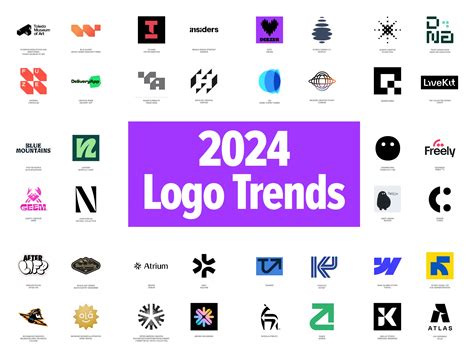
The world of logo design is constantly evolving. As trends shift and new technologies emerge, it's essential to stay abreast of the latest design trends to ensure your logo remains modern, relevant, and impactful. Below are some of the key logo design trends that are shaping the visual landscape.
Minimalism: Less is More
Minimalism is a popular design trend that emphasizes simplicity and clean lines. Minimalistic logos are characterized by their use of clean shapes, simple fonts, and limited color palettes. This trend is particularly popular among tech companies, startups, and brands that want to project a sense of sophistication and modernity.
Geometric Shapes: A Modern and Versatile Aesthetic
Geometric shapes are another popular trend in logo design. Logos featuring geometric shapes are often seen as modern, versatile, and easily adaptable across various platforms. They can be used to create abstract designs or represent specific concepts related to the brand's identity.
Flat Design: A Modern and Clean Look
Flat design is a design style that emphasizes simplicity and flatness. Logos created using flat design principles are often characterized by their use of bold colors, flat illustrations, and minimal shadows. This trend is popular among brands that want to create a modern, clean, and user-friendly look.
Hand-Drawn Illustrations: A Touch of Personality
Hand-drawn illustrations are becoming increasingly popular in logo design. They add a touch of personality and authenticity to brands. Hand-drawn logos can be whimsical, quirky, or sophisticated, depending on the style of the illustration. They are often used by brands that want to project a sense of creativity, individuality, and approachability.
FAQ: Common Questions About Uncovering the Hidden Meaning in Your Logo
How can I tell if my logo is effective?
An effective logo is memorable, impactful, and relevant to your target audience. It should communicate your brand's message clearly and effectively, while also creating a positive emotional connection with your audience. If your logo meets these criteria, it's likely to be effective in building brand recognition, creating a positive brand image, and driving business growth.
What are some common mistakes to avoid when designing or analyzing a logo?
Here are a few common mistakes to avoid:
- Overusing colors and fonts: Keep your design simple and clean, avoid overcrowding your logo with too many elements.
- Using too many shapes and symbols: Choose shapes and symbols that are relevant to your brand and avoid using too many of them.
- Not considering your target audience: Make sure your logo is relevant to your target audience.
- Not being consistent: Use your logo consistently across all your marketing materials.
How often should I update my logo?
The frequency of logo updates depends on several factors, including your brand's age, industry, and target audience. Some brands may update their logos every few years, while others may stick with the same logo for decades. Ultimately, the decision of when to update your logo should be based on your brand's evolving needs and the effectiveness of your current logo in communicating your brand message and values.
Conclusion
As you have learned, uncovering the hidden meaning in your logo is a journey of discovery. By analyzing every element – from the colors and fonts to the shapes and symbols – you can gain a profound understanding of your brand's story, its core values, and its unique personality. A well-designed logo is more than just a pretty picture; it's a powerful symbol that can shape how people perceive your company, build brand recognition, create a positive brand image, and drive business growth. So, take the time to delve deeper into your logo's design and unlock the secrets it holds. If you're ready to take your brand to the next level, check out other articles on our site to learn more about branding strategies, marketing tactics, and design tips.


