Rolling Stone Magazine Covers: Iconic Images and Stories
Rolling Stone Magazine Covers: Iconic Images and Stories
Readers, have you ever wondered what goes into the design of a Rolling Stone magazine cover? These iconic covers have become synonymous with music, culture, and social change, capturing moments in time and shaping how we perceive them. They're more than just pretty pictures - they're powerful representations of the era they represent. I've spent years studying these covers, and I'm excited to share my insights with you. Let's delve into the world of Rolling Stone magazine covers, uncovering the stories behind the images and the impact they've had on the world.
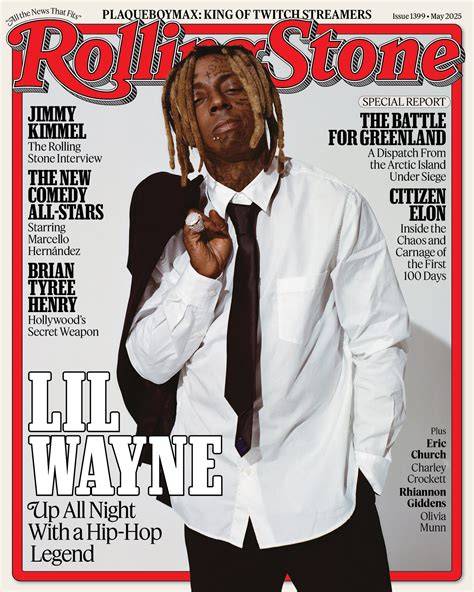
The Early Days: A Chronicle of Counterculture
The first issue of Rolling Stone hit newsstands in November 1967, a time of immense social and political upheaval. The inaugural cover featured John Lennon, a fitting choice for a magazine that quickly became a voice for the counterculture movement.
Early Rolling Stone covers often featured musicians like Bob Dylan, Jimi Hendrix, and Janis Joplin, reflecting the magazine's focus on rock and roll and its connection to the counterculture movement. These covers were often bold and provocative, echoing the spirit of the times.
These covers were more than just images; they were statements. They reflected the changing social landscape, the rise of youth culture, and the challenges to established norms. They captured the spirit of rebellion and the desire for change that defined the era.
The Rise of Pop Culture: Expanding Beyond Music
As the 1970s progressed, Rolling Stone began to expand its coverage beyond music. The magazine started featuring actors, politicians, and other cultural icons on its covers, reflecting the growing influence of pop culture on society.
Covers featuring stars like Marlon Brando, Muhammad Ali, and Andy Warhol showcased the magazine's increasing interest in exploring the broader cultural landscape. These covers reflected the growing complexity of the world and the magazine's desire to capture its nuances.
These covers also reflected a shift in the magazine's readership. Rolling Stone was no longer just a magazine for music lovers; it had become a publication for anyone interested in the cultural trends that were shaping society.
The Digital Age: Embracing New Platforms
In the digital age, Rolling Stone has embraced new platforms to reach its audience. The magazine's website features online-only content, including interviews, videos, and interactive elements. The magazine has also used social media to engage with its readers, sharing behind-the-scenes looks at its covers and providing updates on its latest features.
This shift reflects the magazine's adaptation to the changing media landscape. Rolling Stone has recognized the importance of reaching its audience where they are and has embraced new technologies to do so.
These digital platforms have allowed Rolling Stone to connect with a wider audience and to engage with them in new ways. The magazine has used these platforms to share its content, to connect with its readers, and to build a stronger community.
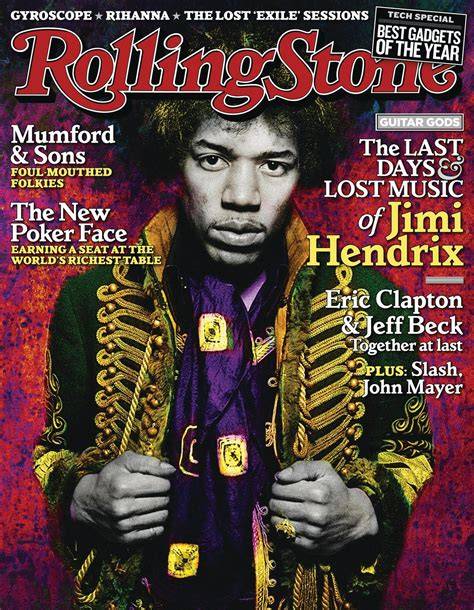
John Lennon's First Cover: "Rolling Stone" Makes its Debut
The inaugural Rolling Stone cover, featuring John Lennon, was a simple yet powerful image. It captured Lennon's rebellious spirit and his connection to the counterculture movement, setting the tone for the magazine's future. This cover was a symbolic declaration of intent, a statement of the magazine's commitment to covering the music and culture shaping the world.
The cover art, designed by the magazine's founder Jann Wenner, was minimalist yet effective, featuring Lennon's iconic image with the magazine's name in bold letters above him. This visual simplicity reflected the magazine's focus on substance over style, a characteristic that would define its entire history.
The first issue of Rolling Stone was more than just a magazine; it was a cultural phenomenon. It captured the spirit of the times and gave voice to a generation, and the cover reflected this perfectly.
The "Sex Pistols" Cover: A Rebellious Statement
The Sex Pistols cover, featuring the band's infamous middle finger gesture, was a bold and provocative statement that shocked the world. It reflected the band's rebellious spirit and their challenge to societal norms, pushing the boundaries of what was acceptable in music and culture.
The cover image, taken by photographer Pennie Smith, captured the band's raw energy and their disregard for convention. The image was controversial, triggering outrage from some and admiration from others, but it undoubtedly reflected the band's punk rock ethos.
The Sex Pistols cover highlighted Rolling Stone's willingness to challenge the status quo and to give voice to subcultures that were often marginalized. It demonstrated the magazine's commitment to covering the cutting edge of music and culture, regardless of its perceived controversy.
"The Muhammad Ali Issue": A Celebration of Strength and Resilience
The Muhammad Ali cover, featuring a powerful image Ali with his fists raised, was a celebration of the boxer's strength, resilience, and commitment to social justice. It reflected Ali's iconic status as a symbol of hope and inspiration for people around the world.
The cover image, taken by photographer Gordon Parks, captured Ali's charisma and his powerful presence. The image was a testament to Ali's strength as an athlete and his commitment to fighting for social justice, making him an icon for generations.
The Muhammad Ali cover highlighted the magazine's commitment to covering figures who were making a difference in the world. It demonstrated the magazine's understanding of the power of culture to inspire social change and its willingness to showcase figures who were pushing the boundaries of what was possible.
How Rolling Stone Covers Reflect the Times
Rolling Stone covers have always been a reflection of the times, capturing the trends, the social movements, and the cultural icons that have shaped our world. They've been a platform for both celebration and dissent, reflecting the complexities of our society.
The Legacy of Rolling Stone Covers: More Than Just Images
In the years since its founding, Rolling Stone magazine has transformed from a niche publication for music fans to a cultural force that has shaped our understanding of music, culture, and the world at large. Its covers are more than just images; they're historical documents that reflect the times, the people, and the ideas that have defined our world.
FAQ
What makes a Rolling Stone cover iconic?
Iconic Rolling Stone covers capture the spirit of their time, often featuring a powerful image of a significant cultural figure, showcasing a captivating visual representation with a striking design.
Who are some of the most well-known Rolling Stone cover subjects?
Rolling Stone covers have featured a vast range of notable figures across different fields, including musicians like John Lennon, Bob Dylan, and Jimi Hendrix; actors like Marlon Brando and Leonardo DiCaprio; and politicians like Barack Obama and Donald Trump.
How have Rolling Stone covers changed over time?
Rolling Stone covers have evolved with the times, reflecting the changing tastes and cultural landscape. From the bold and provocative covers of the 1960s and 1970s to the more sophisticated and nuanced covers of today, the magazine has always sought to capture the zeitgeist.
Conclusion
So, there you have it. Rolling Stone magazine covers offer a fascinating window into the history of music, culture, and society. They're powerful images that capture moments in time and tell stories about the people and the events that have shaped our world. Be sure to check out some of the more recent covers, as they are a testament to the magazine's continued evolution and relevance in today's digital landscape.


